U.S. Tariffs and Canadian Manufacturers: Site Selection Opportunities
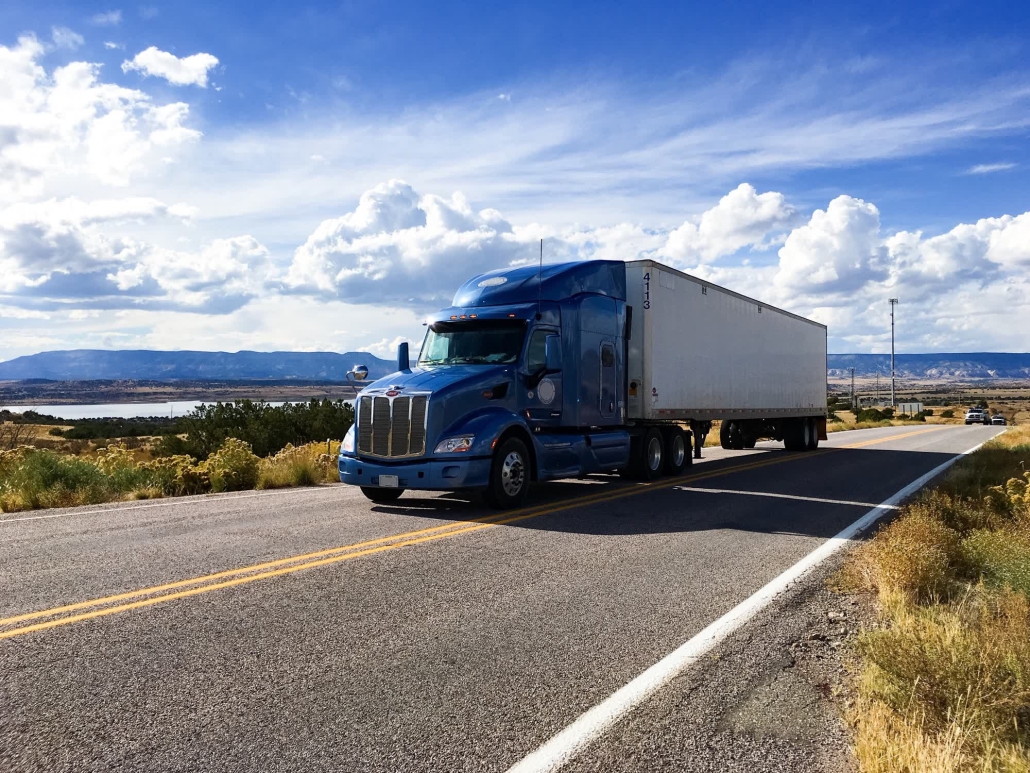
Canadian manufacturers are facing a new reality. U.S. tariffs on certain imports, along with global supply chain pressures, have reshaped the economics of cross-border trade. For many mid-sized Canadian companies, expanding into the United States is no longer optional. It has become a strategic necessity.
The Tariff Pressure
Recent tariff adjustments have increased costs on materials and finished goods, particularly in metals, automotive parts, and machinery. For Canadian firms that export heavily to the U.S., these added costs reduce margins and competitiveness.
The Case for a U.S. Location
By establishing a U.S. footprint, Canadian manufacturers can:
- Remove tariff exposure on products sold domestically in the U.S.
- Shorten supply chains and reduce transportation costs.
- Access U.S. workforce and training incentives not available abroad.
- Tap into federal programs such as the New Markets Tax Credit (NMTC).
Where the Opportunities Are
The most competitive locations right now for Canadian companies include border states like Michigan, Ohio, and New York, as well as Sunbelt states offering aggressive incentive packages. Locating in NMTC-qualified census tracts can open the door to financing worth up to 20 percent of project costs.
A Realistic Approach
Expansion requires careful planning. Canadian companies must consider labor availability, state regulatory environments, and long-term operating costs. A data-driven analysis and thoughtful negotiations with state and local partners can help ensure success.
Our Role
At Five Points, we have guided Canadian companies in reducing tariff exposure while securing significant incentives for new U.S. facilities. In many cases, the move has turned a business challenge into a growth opportunity.