Public Finance Tools Every Developer Should Understand
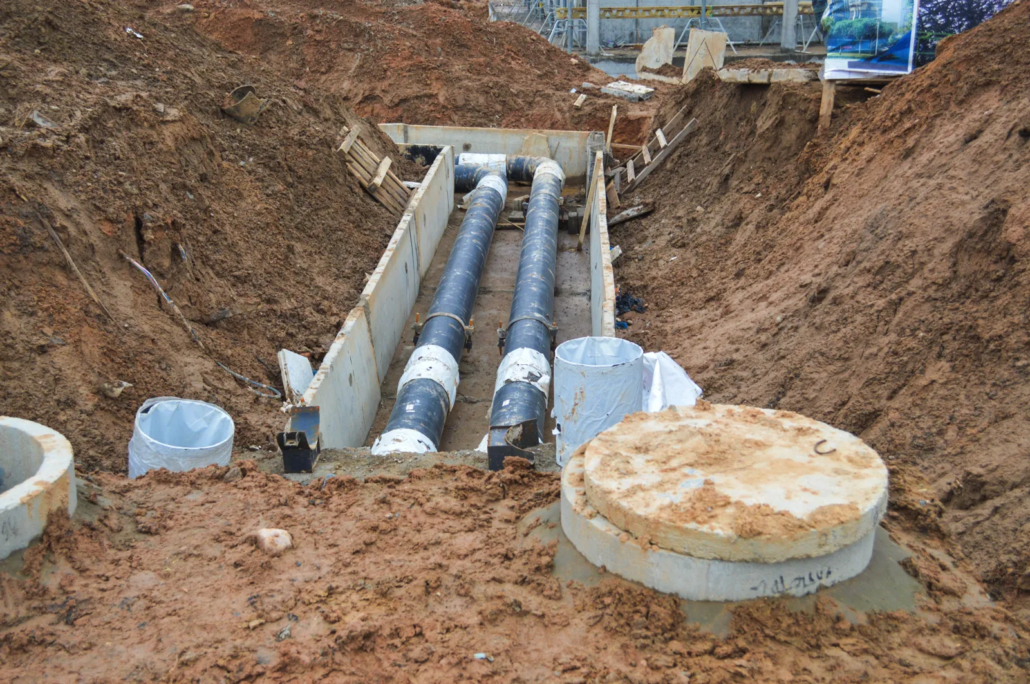
Public finance tools remain a critical component of many development and expansion projects, particularly when infrastructure needs or site conditions create cost gaps that private capital alone cannot efficiently address. In 2026, these tools continue to be widely used, but their effectiveness depends heavily on structure, timing, and alignment with public objectives.
Common Public Finance Tools Used in Development
Tax increment financing, special assessment districts, and other value capture mechanisms are among the most common tools. When applied appropriately, they allow future increases in tax revenue to fund present-day infrastructure improvements. For developers, this can reduce upfront costs associated with roads, utilities, drainage, or site preparation. For communities, it provides a mechanism to invest without diverting existing revenue streams.
Managing Risk and Assumptions in Public Finance
The key to successful use of public finance tools is realism. Assumptions about future value growth, absorption, and timing must be conservative. Overly aggressive projections introduce risk for both developers and municipalities and can undermine public support. Projects that demonstrate credible demand and phased development plans tend to move more smoothly through approval processes.
Coordinating Public Finance With Incentives
Coordination with traditional incentives is also important. Public finance tools often work best when layered with grants, tax abatements, or workforce programs. Early coordination reduces duplication, clarifies compliance requirements, and improves overall feasibility. Developers that engage public partners early are better positioned to shape solutions that align with both project needs and community priorities.
Understanding these tools allows developers to approach negotiations from a position of knowledge and credibility. In 2026, public finance remains a powerful lever for projects that are thoughtfully planned and clearly aligned with long-term economic goals.