The Hidden Cost of Relocation Delays
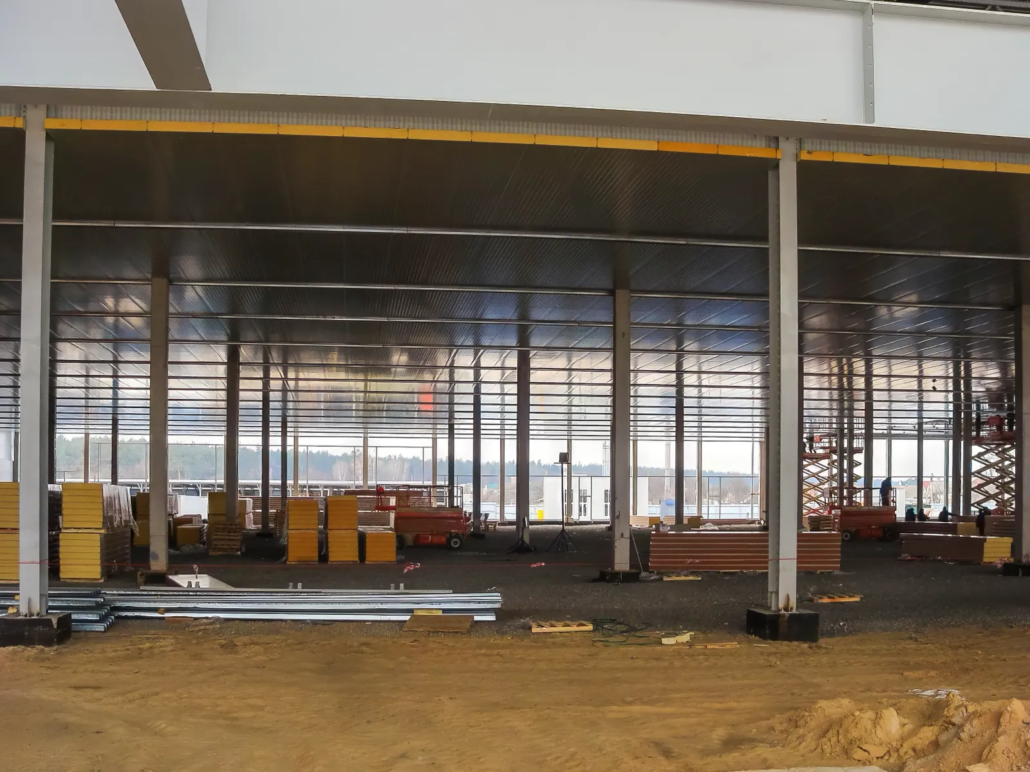
Relocation and expansion delays are often discussed in abstract terms, but their financial impact is very real. Each month of delay can translate into lost revenue, higher construction costs, workforce uncertainty, and missed market opportunities. For capital-intensive projects, even small schedule disruptions can materially alter projected returns.
The Financial Impact of Relocation Delays
Construction cost escalation remains one of the most common sources of exposure. Volatile material pricing, labor shortages, and extended procurement timelines can quickly erode budgets. Incentives tied to site preparation, infrastructure participation, or construction grants can help offset these risks, but only when structured intentionally. Generic incentives tied solely to long-term job creation rarely address near-term cost pressures.
Workforce delays compound the problem. Difficulty recruiting, training, or retaining employees can push back operational start dates and increase reliance on overtime or temporary labor. Workforce incentives that support onboarding, training, and early wage costs can meaningfully reduce these risks. When used strategically, they shorten the time between hiring and productivity and improve predictability during ramp-up.
Aligning Incentives With Project Risk
The most effective incentive strategies directly align with the sources of delay. Rather than viewing incentives as a reward for future performance, companies should treat them as tools to protect project timelines and economics. Projects that integrate incentives into risk management conversations tend to move faster, face fewer surprises, and achieve stronger long-term outcomes.