Green Incentives for Manufacturing
Sustainability considerations continue to influence manufacturing site selection and expansion decisions, and incentive programs have evolved to support this shift. In 2026, green incentives are no longer limited to niche projects. They are increasingly integrated into mainstream manufacturing investments as companies seek to reduce operating costs, manage regulatory exposure, and meet internal environmental goals.
Energy Efficiency and Operating Cost Reduction
Energy efficiency incentives are among the most widely used tools. Grants and rebates for high-efficiency equipment, building systems, and process improvements can deliver immediate operating savings. These incentives often provide strong returns because they reduce energy consumption from day one, improving cash flow while lowering long-term exposure to utility cost volatility.
Clean Energy and Reliability Incentives
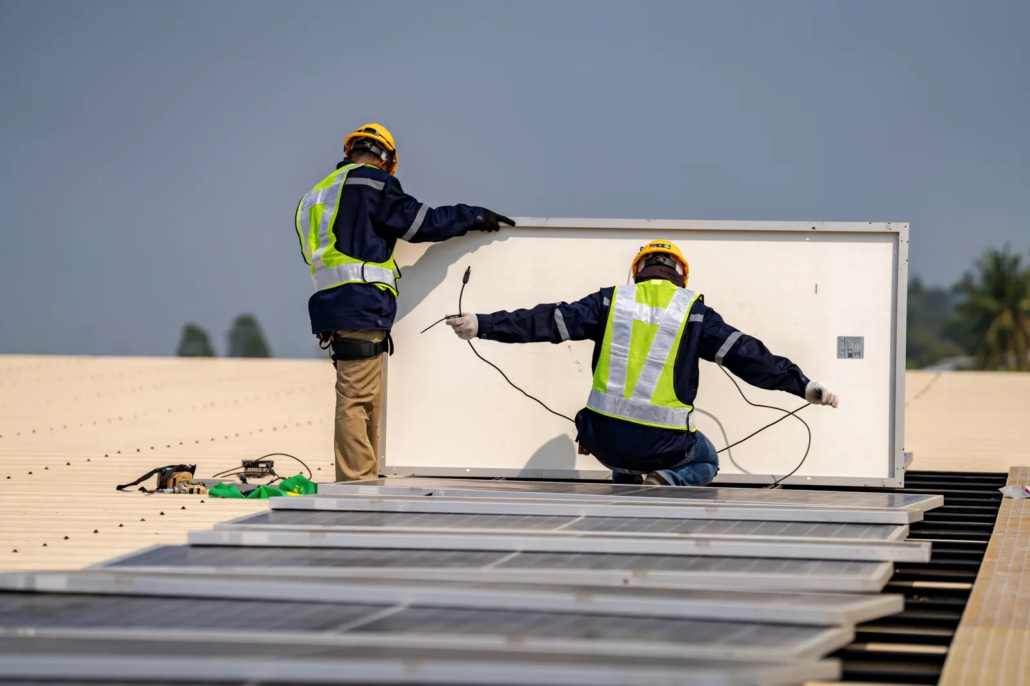
Clean energy incentives also play a growing role. Programs supporting on-site generation, renewable power procurement, and energy storage help manufacturers manage reliability and cost concerns. In some regions, incentives tied to grid modernization or demand response programs further enhance value. When coordinated with utility providers early, these programs can materially improve project economics.
Importantly, green incentives are increasingly evaluated alongside broader project impacts. Public agencies want assurance that sustainability investments support long-term competitiveness rather than one-time improvements. Manufacturers that integrate sustainability into overall site and operations strategy tend to attract stronger support.
In 2026, green incentives are most effective when treated as part of a comprehensive operating strategy. When aligned with production goals, infrastructure planning, and workforce considerations, they support both environmental objectives and durable financial performance.