Repurposing Existing Sites
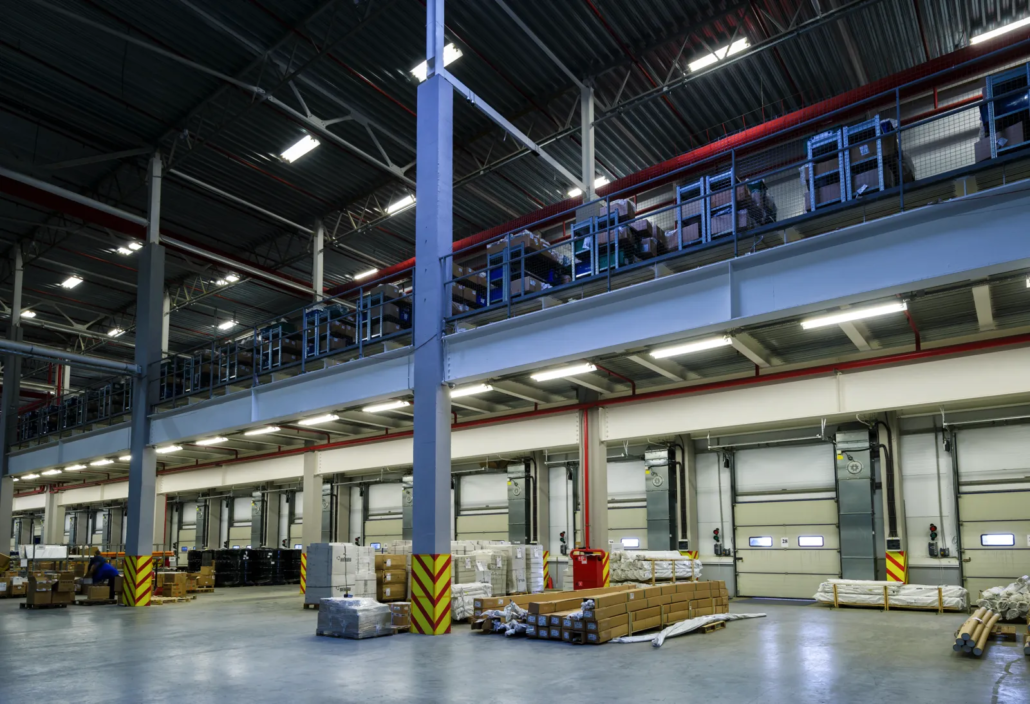
Repurposing existing sites has become an increasingly attractive option for manufacturers and developers, particularly as greenfield opportunities become more constrained. In many regions, existing industrial and commercial properties offer advantages related to location, infrastructure access, and community familiarity. Incentive programs have adapted to encourage reinvestment in these assets rather than outward expansion.
Brownfield Redevelopment Incentives
Brownfield redevelopment is one of the most visible examples. Sites with environmental conditions often carry stigma and added cost, but public entities recognize that remediation and reuse deliver long-term economic and environmental benefits. Incentives for environmental assessment, cleanup, demolition, and infrastructure upgrades can materially improve feasibility and reduce risk for private investors. Early coordination with environmental agencies is essential to align timelines and expectations.
Adaptive Reuse of Existing Facilities
Adaptive reuse of existing buildings presents another opportunity. Older industrial facilities may require significant upgrades to support modern manufacturing processes, but they often benefit from established utilities, transportation access, and zoning. Incentives tied to building rehabilitation, historic preservation, or energy upgrades can offset capital costs while accelerating project delivery.
Communities are increasingly receptive to reinvestment projects because they stabilize tax bases, preserve jobs, and signal long-term commitment. Developers and manufacturers that position reuse projects as partnerships rather than transactions tend to secure stronger public support. In 2026, repurposing existing sites is not just a fallback option. It is a strategic path that can deliver speed, value, and alignment when approached thoughtfully.