Workforce Accessibility
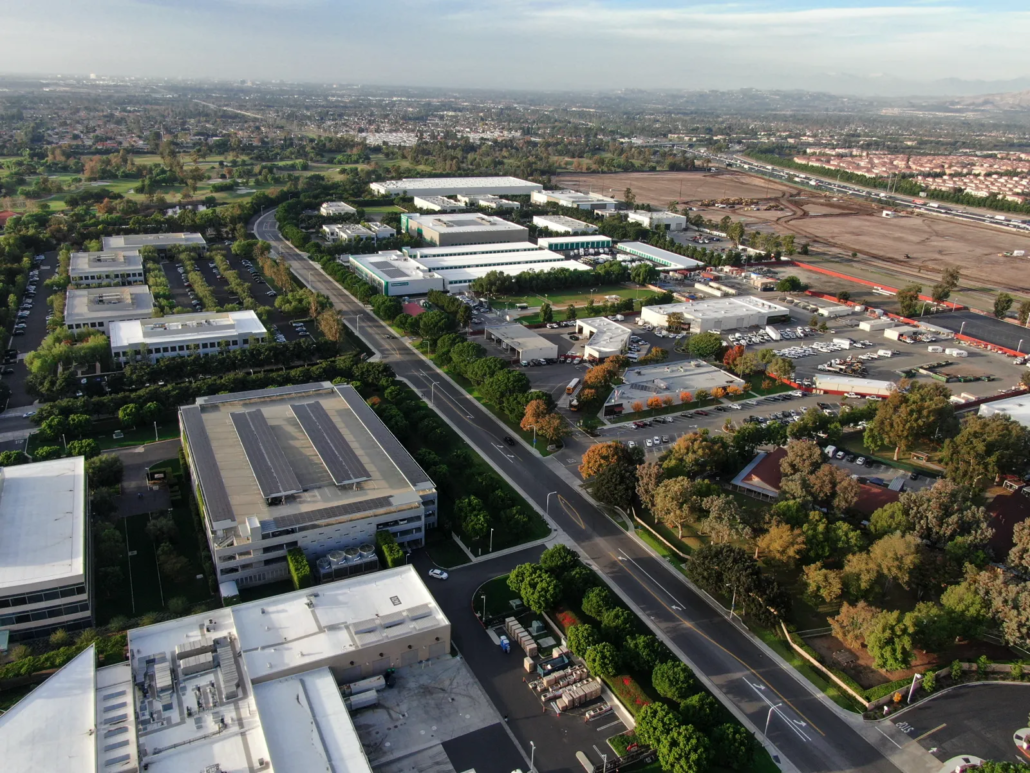
Workforce accessibility has become a defining factor in long-term site success, particularly as labor markets remain tight and demographic patterns continue to shift. In 2026, it is no longer enough for a location to have an available workforce on paper. Companies must evaluate how easily workers can access a site on a daily basis and whether that access is sustainable over time.
Transportation and Commute Accessibility
Transportation plays a central role. Commute times, transit availability, road capacity, and parking all influence employee attraction and retention. Sites that are technically close to labor pools but difficult to reach often underperform expectations. Incentive programs increasingly reflect this reality, with support for road improvements, transit connections, and last-mile access tied to major employment centers.
Housing and Workforce Stability
Housing availability is another critical dimension. In many regions, housing costs have outpaced wage growth, limiting the practical labor shed for industrial facilities. Communities that invest in workforce housing, mixed-use development, and zoning flexibility are better positioned to support employers. While housing incentives may not directly fund industrial projects, they materially influence workforce stability and recruitment.
Training and Long-Term Workforce Access
Training and education infrastructure further shape accessibility. Proximity to technical schools, apprenticeship programs, and workforce centers reduces onboarding friction and supports advancement. Incentives tied to training partnerships help ensure that accessibility extends beyond hiring to long-term career development.
In 2026, workforce accessibility is best understood as an ecosystem rather than a single metric. Locations that integrate transportation, housing, and training considerations tend to deliver more reliable labor outcomes and stronger long-term performance.