Inflation and Site Strategy
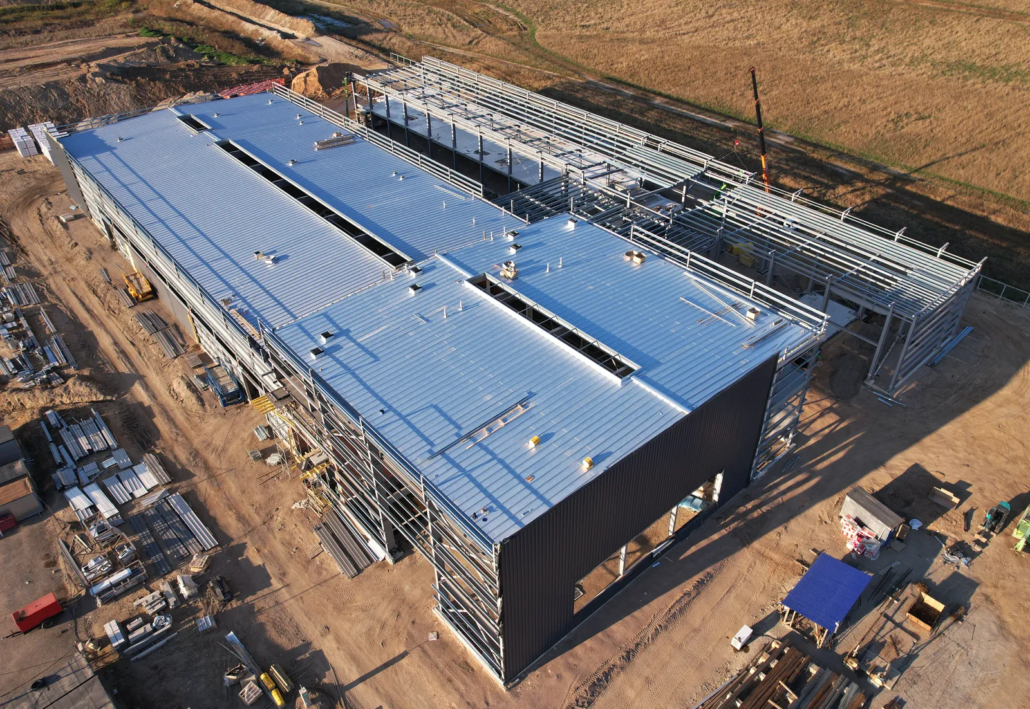
Inflation continues to shape site selection and expansion decisions in 2026, even as rates fluctuate across sectors and regions. Rising construction costs, higher borrowing expenses, and wage pressure all influence project feasibility. For companies evaluating new investments, understanding how inflation interacts with location fundamentals and incentives is essential.
Managing Construction Cost Inflation
Construction costs are often the most visible impact. Materials pricing volatility and labor shortages can quickly erode budgets, particularly for projects with long lead times. Incentives tied to site preparation, infrastructure participation, or construction grants can help offset these pressures when aligned with true cost drivers. However, incentives alone rarely eliminate inflation risk. Companies that phase development or build flexibility into timelines tend to perform better.
Operating Cost Stability and Incentives
Operating costs also deserve attention. Inflation affects utilities, transportation, and ongoing labor expenses. Locations with stable utility pricing, predictable tax environments, and access to skilled labor reduce long-term exposure. Incentives that address early operating years can help smooth cash flow, but long-term stability ultimately determines performance.
From a strategic perspective, inflation reinforces the importance of early planning. Projects that wait for cost certainty often find that conditions continue to shift. In 2026, disciplined preparation, conservative assumptions, and alignment between incentives and real cost pressures remain the most reliable ways to protect project economics.